


Dialysis of Drugs
2.145.00 Reviews
App Specs
- Version
- 3.51
- Updated On
- License
- Free
- Downloads
- 10,000+
- Developer
- Renal Pharmacy Consultants LLC
- Categories
- Medical
- Platform
- Android
Screenshots
 Analysis by AppCompare
When I first try a reference app for dialysis medications, my main question is practical: can it help me find relevant drug information without turning a quick check into a research project? Dialysis of Drugs is built around that focused job. It is a medical app from Renal Pharmacy Consultants LLC, and its subject is the dialyzability of drugs—information that can matter when a care team is reviewing medication use around dialysis.
I would approach it as a reference tool, not as a treatment guide or a substitute for a clinician’s judgement. That distinction matters from the start: drug decisions depend on the person, the prescribed regimen, and the clinical context. The app can help orient a lookup, but I would still confirm an important decision with an appropriate professional and trusted clinical resources.
What to expect from a focused reference
The app’s scope is narrower than a general medical encyclopedia, and that is part of its appeal. Instead of trying to cover every aspect of kidney care, it concentrates on how drugs relate to dialysis. If you work with dialysis patients or support someone who does, that focus can make a targeted question easier to frame than it would be in a broad drug-information app.
It is free to install, but the useful reference requires an in-app subscription priced at $21.99 per year. I would treat that as the central decision before relying on it: first consider whether you need this specialized material often enough to justify an ongoing cost. The app has a 2.0 average from 109 ratings, so I would also set expectations carefully rather than assuming the experience will suit everyone. It has 10K+ installs, is rated for Everyone, and its current version is 3.51.
Getting Started with Dialysis of Drugs
First off, let’s talk about user experience. When you open the app, you’re greeted with a clean and straightforward interface. No fluff or unnecessary distractions, just what you need right at your fingertips. It’s like stepping into a library where every book is precisely where you expect it to be. Navigating through the app is a breeze, even if you're not the most tech-savvy person out there.
For a first-time user, I would make the first session low-pressure. Install it on a compatible device—the listed minimum is Android 5.0—then decide whether the subscription is worthwhile for your role before you plan to depend on the content. The annual price is not a one-off purchase, so it makes sense to evaluate the app against how frequently you expect to consult dialysis-specific drug information.
One useful habit is to start with a medication question you already understand, rather than a complicated or urgent case. That gives you a chance to learn how the reference organizes its information and whether its terminology works for you. If you are helping a family member, you can also write down the exact medication name and the question you want to ask the care team; the app should support preparation, not turn a family member into the final decision-maker.
Worth Reading Before You Choose

Flipboard Shows What News Apps Must Do Beyond the Feed

Switching to Android Auto Means Rethinking Your Driving Routine

Google Calendar Makes a Crowded Week Easier to Manage

Ludo King Makes the Most of the Minutes Between Plans

Baby Panda World Brings Quick Play to Modern Phones, but Its Game Library Feels Busy

ESPN’s Live Game View Makes Following Close Games Easier
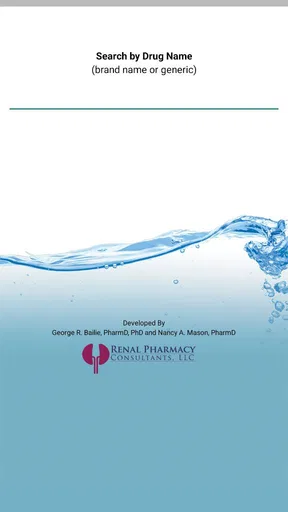
The app provides a comprehensive database of drugs used in the context of dialysis. If you’re a healthcare professional or even a caregiver, this is your goldmine. The search functionality is robust, allowing you to find information quickly. You can search by drug name, indications, or even specific dialysis modalities. Pretty neat, right?
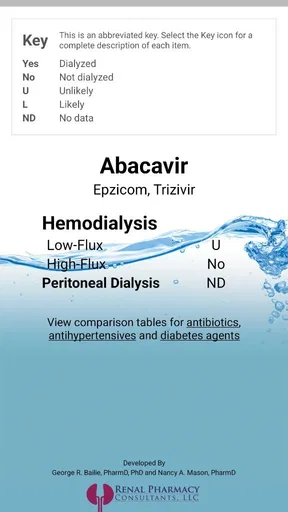
A practical first success is a focused lookup: search for a medicine by its name, open the relevant entry, and identify the dialysis-related information you came to check. I would then note the question that remains—such as whether a detail applies to the patient’s particular treatment context—and bring that to the pharmacist or clinician. This small workflow keeps the app useful without treating a single result as a complete medication plan.
Features That Stand Out
What really sets Dialysis of Drugs apart is its detailed drug monographs. Each entry provides a rundown of essential information: indications, dosing, adjustments needed for different dialysis types, and potential interactions. It’s like having a mini pharmacology textbook in your pocket, minus the bulk.
That breadth can help when a lookup raises a second question. I would read the entry as a whole rather than jumping straight to one dosing detail: indications and interaction information can change how useful an isolated fact is. A non-obvious advantage of a dialysis-focused monograph is that it puts the renal replacement context closer to the center of the lookup than many general medication references do.
There is still an important trade-off. A monograph can summarize a topic, but it cannot know the full patient picture simply because a drug name was entered. I would not use it to independently change a dose, timing, or medication. When a result seems surprising, or when several medicines are involved, the safer next move is to confirm the interpretation with a pharmacist or prescriber.
Another feature worth mentioning is the update notifications. The app ensures you’re always working with the latest data, which is crucial in the medical field. No more outdated info or second-guessing whether you’ve got the correct dosage. The app takes care of that for you.
I would still keep a careful reference habit: check the app’s displayed material in the context of the question, and confirm consequential choices through the relevant clinical channel. A notification can be useful, but it does not remove the need to understand what changed or whether that change applies to a particular patient. For professional use, that distinction is especially important when a lookup happens during a busy shift.
For example, imagine a caregiver preparing for a conversation before a dialysis appointment. They can look up a medicine they have been asked about, note the dialysis-specific points, and arrive with a precise question rather than a vague concern. A clinician can then assess the patient’s actual prescription and circumstances. In that scenario, the app’s value is not making the decision; it is helping the conversation start in a more informed place.
For repeated work, I would also consider how much of your daily caseload falls within this app’s narrow subject. If dialysis-related medication checks are routine, a dedicated reference may be easier to consult than repeatedly filtering a general drug database. If they are rare, a trusted institutional reference or direct advice from a pharmacist may be more sensible than paying for a specialist subscription you seldom use.
For those who love a bit of organization, the app allows you to bookmark frequently referenced drugs. This feature is a game-changer for quick access, especially if you’re managing multiple patients or working in a busy setting.
Bookmarks are most useful when they save navigation time, not when they become a personal medication list. I would use them for drugs I consult repeatedly, then still verify the exact medicine and clinical context each time. That small discipline helps prevent a familiar entry from being treated as automatically applicable to a different patient or a changed prescription.
Common points of confusion and limits
The subscription is one point worth understanding before you invest time setting up a routine. Although installation is free, the app requires an in-app subscription purchase of $21.99 per year for access to its reference content. I would not assume that “free” means the full database is available at no cost; decide whether the paid access fits your needs before making it part of a work process.
The app is also not the same as a general-purpose medication manager. Its value lies in dialysis-related drug information, rather than reminders or a complete record of someone’s medicines. If your main need is tracking doses at home, organizing prescriptions, or receiving broad medication guidance, another kind of app or a conversation with the care team is a better starting point.
Compared with a general drug reference, a specialist resource can reduce the effort of finding dialysis-specific details, but it may be less useful for questions outside that scope. Compared with asking a pharmacist directly, it offers a convenient starting point for a lookup, while the pharmacist can interpret the information in light of a patient’s full situation. I see those options as complementary rather than interchangeable.
Its 2.0 average rating is a reason to be cautious about fit and usability, not proof that the reference will fail for every person. I would test the search and reading experience with a familiar, non-urgent query before depending on it. If the navigation feels awkward, the subscription does not suit your budget, or you need broader clinical coverage, it is reasonable to choose another resource.
Who is likely to benefit—and what to do next
This app makes the most sense for healthcare professionals who regularly encounter medication questions in dialysis care, and for caregivers who want to prepare informed questions for the clinical team. It is less compelling for someone seeking general wellness advice, a prescription organizer, or a tool that makes treatment decisions on their behalf. The Everyone content rating does not change that practical distinction: medical information still needs careful interpretation.
My recommended next step is simple: choose one familiar drug-related question, see whether the app’s focused reference helps you find the relevant discussion, and judge the experience before building it into your routine. If you subscribe, keep the app as one part of a careful checking process; if you do not, a pharmacist or another trusted clinical reference remains the better route for a consequential question.
Areas for Improvement
Now, no app is perfect, and Dialysis of Drugs is no exception. While the app is packed with information, some users might find the lack of additional resources or external links a bit limiting. Sometimes, you might want a deeper dive or a second opinion, and having those links handy could enhance the user experience.
Additionally, while the app’s design is minimalistic, there’s room for a more modern touch. A bit of visual flair could make the app more engaging, especially for younger users or those who appreciate aesthetics alongside functionality.
Final Thoughts
All in all, Dialysis of Drugs is a solid app that does exactly what it promises. It’s a reliable companion for anyone involved in the dialysis process, offering quick access to crucial drug information. Whether you’re a seasoned professional or new to the field, this app is a valuable addition to your toolkit.
If you’re on the fence about downloading it, I’d say give it a shot. It’s like having an expert whispering in your ear, making sure you’ve got all the details right. And when it comes to healthcare, that’s a level of assurance that’s hard to beat.
Pros
- Comprehensive drug information database.
- User-friendly interface for quick navigation.
- Regular updates with latest guidelines.
- Offline access for uninterrupted use.
- Customizable alerts and reminders.
Cons
- Limited to English language only.
- Requires subscription for full features.
- Occasional loading delays reported.
- No direct integration with EHR systems.
- Limited customer support options.
FAQs for Dialysis of Drugs
What is the primary function of the Dialysis of Drugs app?
The Dialysis of Drugs app is designed to provide healthcare professionals with comprehensive information on drug dosing and management in patients undergoing dialysis. It offers detailed guidelines on adjusting medications based on the type and frequency of dialysis, ensuring optimal patient care and safety.
Is Dialysis of Drugs suitable for all healthcare providers?
Yes, the app is beneficial for nephrologists, pharmacists, and other healthcare professionals involved in managing patients on dialysis. It provides crucial insights into how different medications interact with dialysis, making it an invaluable tool for ensuring accurate and safe drug administration.
How frequently is the content updated in the Dialysis of Drugs app?
The content in the Dialysis of Drugs app is regularly updated to reflect the latest research and clinical guidelines. This ensures that healthcare providers have access to the most current information, allowing them to make informed decisions about drug dosing and adjustments for dialysis patients.
Does the app require an internet connection to function?
While some features of the Dialysis of Drugs app may require an internet connection for updates and additional resources, the core functionalities, including drug information and dosing guidelines, are accessible offline. This makes it a convenient tool for use in clinical settings where internet access may be limited.
What devices are compatible with the Dialysis of Drugs app?
The Dialysis of Drugs app is available for both Android and iOS devices, ensuring compatibility with a wide range of smartphones and tablets. Users can easily download the app from the Google Play Store or Apple App Store, providing flexibility in accessing vital drug information on the go.


